Sports injury therapy: effective treatment for faster and safer recovery
Sports injury therapy is a specialized form of rehabilitation focused on diagnosing, treating, and preventing injuries caused by physical activity or sports. It helps reduce pain, restore movement, and support a safe return to activity through personalized, evidence-based treatment plans.
Sports injuries can affect anyone—from professional athletes to active individuals who enjoy recreational sports. Strains, sprains, joint injuries, and overuse conditions can limit performance and increase the risk of long-term problems if not treated properly. Sports injury therapy addresses these issues by focusing on recovery, movement quality, and injury prevention.
What is sports injury therapy?
Sports injury therapy is a targeted rehabilitation approach designed to treat injuries related to physical activity. It combines manual therapy, movement retraining, and therapeutic exercise to restore function and reduce the risk of reinjury.
Unlike general treatment, sports injury therapy focuses on:
- Sport-specific movement patterns
- Functional strength and stability
- Safe and progressive return to activity
This makes it an essential option for athletes and physically active individuals.
Common injuries treated with sports injury therapy
Sports injury therapy is effective for a wide range of conditions, including:
- Muscle strains and ligament sprains
- Tendon injuries (Achilles, patellar, rotator cuff)
- Knee, ankle, shoulder, and hip injuries
- Lower back pain related to sports activity
- Overuse injuries from repetitive motion
Identifying the cause of the injury is critical, as successful sports injury therapy focuses on correcting movement faults and load management issues—not just symptom relief.
How sports injury therapy supports recovery?
Reduces pain and inflammation
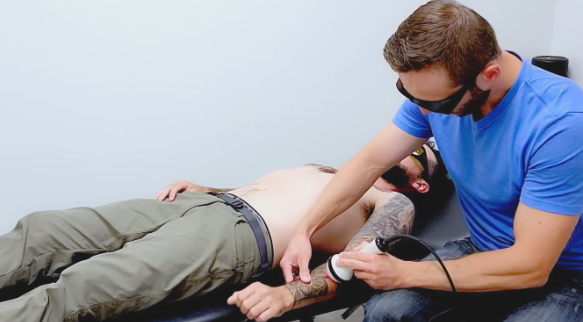
Hands-on techniques and guided movement help relieve discomfort and improve tissue healing.
Restores mobility and strength
Sports injury therapy targets joint mobility, muscle balance, and strength deficits that often develop after injury.
Improves movement mechanics
Correcting faulty movement patterns helps prevent future injuries and enhances performance.
Supports safe return to sport
Rehabilitation programs are progressively adapted to match sport-specific demands and activity levels.
What to expect during sports injury therapy
A typical sports injury therapy plan includes:
- Comprehensive assessment of movement, strength, and injury history
- Personalized treatment plan based on sport, goals, and injury severity
- Manual therapy and rehabilitation exercises
- Functional and sport-specific training
- Ongoing reassessment to track progress and adjust care
This structured approach ensures that sports injury therapy delivers measurable and lasting results.
Who can benefit from sports injury therapy?
You may benefit from sports injury therapy if you:
- Have sustained an injury during sports or exercise
- Experience recurring pain or stiffness with activity
- Want to return to sport safely after time off
- Are looking to prevent future injuries
- Maintain an active or athletic lifestyle
Early intervention often leads to faster recovery and better long-term outcomes.
Sports injury therapy as part of a multidisciplinary approach
Sports injury therapy is most effective when integrated with complementary treatments such as:
- Physiotherapy for movement retraining
- Chiropractic care for joint mobility, incorporating spinal adjustments with soft tissue therapy and rehabilitation
- Massage therapy for muscle recovery
- Exercise rehabilitation for long-term resilience
This collaborative model supports full recovery and sustained performance improvements.
Final thoughts
Sports injury therapy plays a key role in helping active individuals recover from injury, regain confidence, and return to the activities they enjoy. By focusing on movement quality, strength, and prevention, sports injury therapy supports both short-term recovery and long-term physical health.
For individuals in Burlington, Ontario, sports injury therapy can be an effective step toward pain-free movement and improved athletic performance. Contact us!