Why Do Ergonomic Chairs Hurt My Back?
Ergonomic chairs can hurt your back because they support posture but don’t correct underlying movement, muscle, or spinal issues.
- Ergonomic chairs don’t treat musculoskeletal dysfunction
- Prolonged sitting increases spinal stress
- Professional care restores movement and reduces pain
If you’re searching why do ergonomic chairs hurt my back, it likely means your discomfort hasn’t improved—even after investing in an ergonomic chair. At Propel Active Health & Lifestyle, a musculoskeletal and rehabilitation clinic in Burlington, Ontario, we regularly help people who experience back pain despite making ergonomic changes at work.
Why do ergonomic chairs hurt my back even when they’re adjusted properly?
Ergonomic chairs are designed to support your body, not fix it.
They can’t:
- Restore normal spinal movement
- Correct muscle imbalances
- Address joint restrictions
- Treat existing back injuries
When these issues are present, sitting for long periods—even in an ergonomic chair—can place added stress on sensitive areas of the spine, making discomfort more noticeable over time.
Common reasons ergonomic chairs lead to back pain
1. Support can’t replace proper care
Restricted joints and tense muscles are common in people who sit for much of the day. Without the appropriate chiropractic care or physiotherapy, a chair alone can’t reduce the mechanical load placed on the spine.
2. Lumbar support doesn’t match every body
Most lumbar supports are designed for an “average” spine, but no two people sit the same way. And, if you are already injured, too much lumbar support may actually make your pain worse
When lumbar support doesn’t align with your natural curve, it can:
- Increase muscle tension
- Irritate joint
- Trigger or worsen lower back pain
This is a frequent reason people wonder why do ergonomic chairs hurt my back instead of helping.
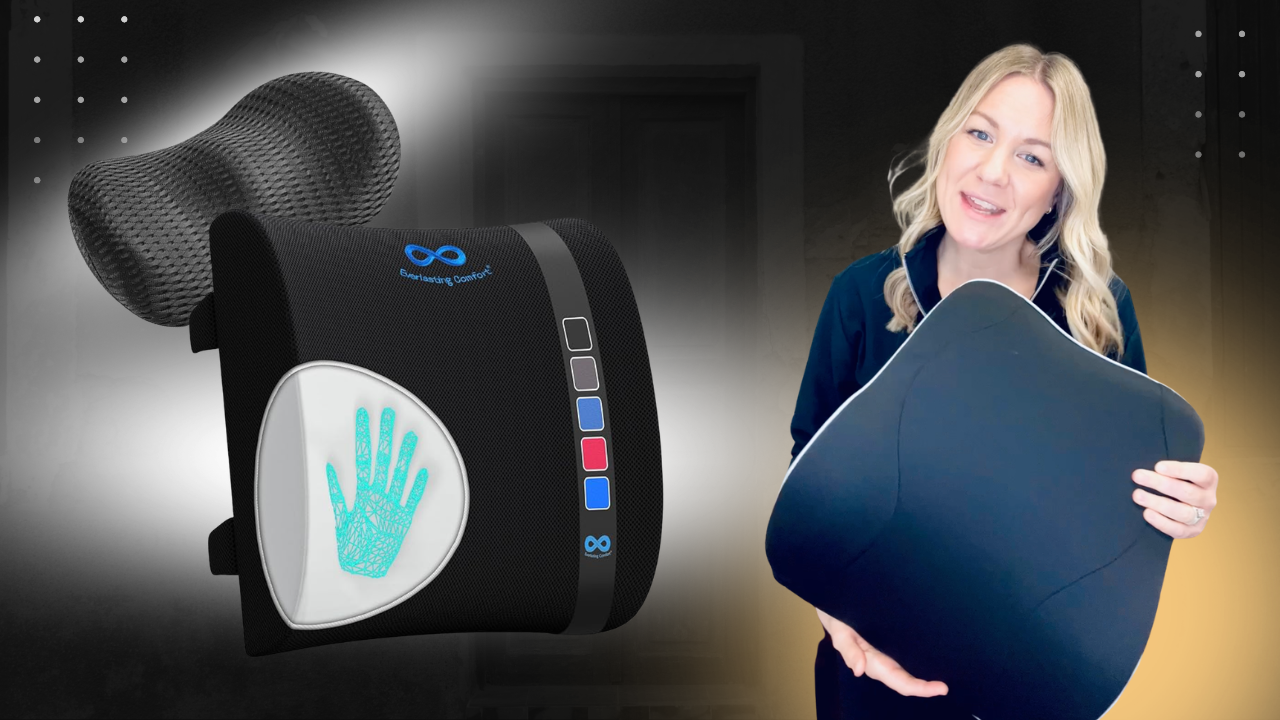
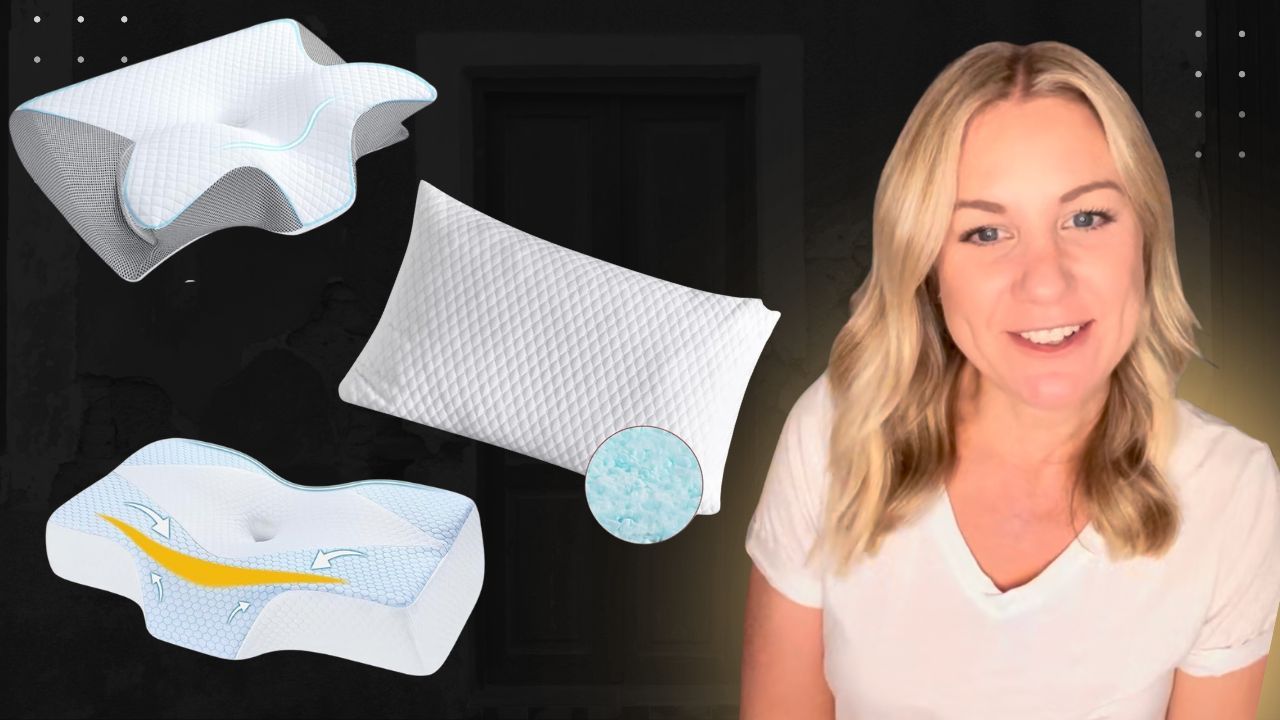
If you're considering adding a lumbar support pillow to your chair, Dr. Alison recently tested and reviewed the 4 most popular options on Amazon.ca — including one she'd tell you to avoid entirely.
3. Feeling comfortable leads to sitting longer
Ergonomic chairs often feel supportive at first, which encourages longer periods of sitting without breaks.
Over time, prolonged sitting:
- Reduces circulation
- Increases stiffness
- Places ongoing stress on spinal joints
Your body benefits from movement just as much as it does from support.
4. Tight hips and deconditionined core muscles play a role
Sitting shortens hip flexors and reduces core engagement. When this happens day after day, the lower back takes on more strain.
This is why rehabilitation exercises and assisted stretch therapy are often key parts of lasting relief.
Why ergonomic chairs don’t solve back pain on their own?
An ergonomic chair can improve comfort, but it doesn’t:
- Heal injuries
- Restore functional movement
- Retrain muscle control
Addressing the underlying cause is essential when chair adjustments aren’t enough.
How Propel Active Health & Lifestyle helps?
At Propel Active Health & Lifestyle, we focus on understanding why sitting causes pain and addressing it with evidence-based care.
Our approach may include:
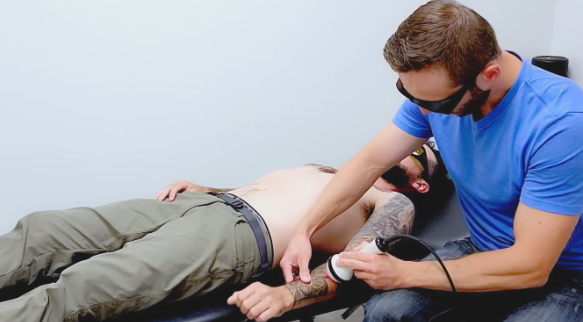
- Chiropractic care to improve spinal mobility
- Physiotherapy to restore strength and control
- Rehabilitation programs for desk-related strain
- Assisted stretch therapy to reduce muscle tightness
- Postural and ergonomic guidance tailored to your body
The goal is lasting improvement—not short-term fixes.
Sitting-related back pain: how we help
Common issue
Our approach
Lower back pain
Chiropractic + physiotherapy
Mid-back stiffness
Mobility and rehab exercises
Hip tightness
Assisted stretch therapy
Core weakness
Targeted rehabilitation
Workstation discomfort
Clinical and ergonomic assessment
Frequently Asked Questions
Why does my back hurt after sitting in an ergonomic chair for hours?
Even with good support, staying in one position too long reduces circulation and increases stiffness. Regular movement and proper care make a big difference.
Can an ergonomic chair cause back pain?
Yes. If the chair doesn’t suit your body or sitting habits, it can place extra strain on your spine.
Should I stop using my ergonomic chair?
Not necessarily—but ongoing pain is a sign that something else needs to be addressed.
What works better than relying on a chair alone?
A combination of physiotherapy, chiropractic care, rehabilitation, and movement education tends to be far more effective.
When should I seek professional help?
If pain persists, worsens during work, or affects daily activities, a professional assessment is recommended.
If you’re askingwhy do ergonomic chairs hurt my back, the answer usually isn’t the chair itself.
👉 Your body needs proper assessment, targeted care, and regular movement—not just better furniture.
Contact Us – Get Back to Moving Comfortably
If ergonomic changes haven’t solved your back pain, Propel Active Health & Lifestyle in Burlington can help identify the cause and guide you toward lasting relief.
👉 Book your appointment today and start sitting, working, and moving with greater comfort.