Pregnancy Care in Burlington
Stay Strong, Active, and Pain-Free During Pregnancy
Pregnancy pain isn't something you just have to push through. It's treatable, it's common, and — importantly — research shows that unmanaged pain during pregnancy is one of the strongest predictors of pain and complications during labour. Getting the right care isn't just about comfort. It's about preparing your body for what's ahead.
YOUR SESSIONS ARE BILLED DIRECTLY TO YOUR INSURANCE
Why Pregnancy Pain Happens — And Why It Matters
An Ontario population study found that three-quarters of pregnant women experience some form of back or pelvic pain during pregnancy. It's not random — it has clear physical causes.
As pregnancy progresses, the body undergoes a cascade of mechanical changes: weight shifts forward, the lumbar spine increases its curve, abdominal muscles stretch and lose their stabilizing function, and the hormone relaxin loosens ligaments throughout the pelvis and lower body to prepare for birth. These changes are necessary — but they place new and significant demands on your joints, muscles, and nervous system that your body wasn't previously managing.
The result is a predictable pattern of pain: low back pain, pelvic girdle pain, hip tension, postural strain in the neck and shoulders, wrist pain from fluid retention, and leg cramping. Most women are told this is normal. It is common — but common and inevitable are not the same thing.
The 2019 Canadian guideline for physical activity throughout pregnancy states clearly that all women without complications should maintain physical activity throughout their pregnancy. Staying active significantly decreases complications during labour. The challenge is that pain and discomfort are the primary reason women stop being active. Treating that pain isn't just about quality of life — it's about keeping you moving so your body is as prepared as possible for delivery.
What Pregnancy Care at Propel Includes
Propel takes a multi-disciplinary approach to pregnancy care — one of the few clinics in Burlington where chiropractic, physiotherapy, and registered massage therapy work together within a single treatment plan.
Chiropractic care during pregnancy focuses on restoring joint mobility in the pelvis, lumbar spine, and hips — the areas most affected by the biomechanical changes of pregnancy. Manual therapy techniques are modified for pregnancy at every trimester, and all adjustments are safe and gentle.
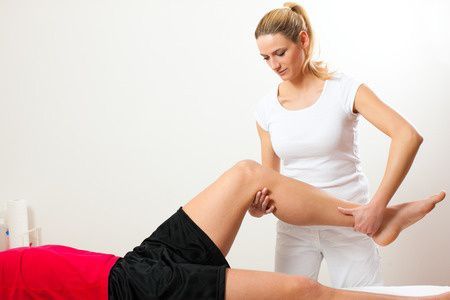
Physiotherapy addresses muscle imbalances, movement patterns, and functional strength. Your physiotherapist will design a specific exercise and stretching program to support your changing posture, reduce pain, and build the endurance and stability your body needs for labour and recovery.
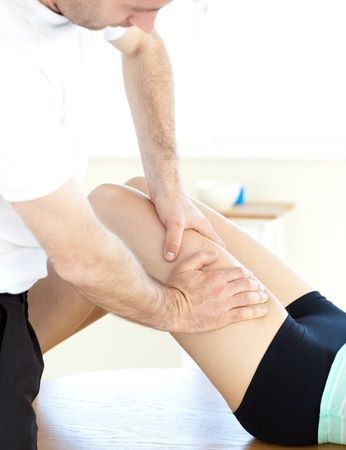
Registered Massage Therapy relieves the muscle tension and circulatory changes that pregnancy places on your body — particularly in the back, hips, legs, and shoulders. Pregnancy massage is performed with specialized positioning to ensure your comfort and safety at every stage.
Pelvic Floor Physiotherapy — the most underutilized tool in prenatal care, and one of the most impactful. The pelvic floor muscles support the uterus, bladder, and bowel throughout pregnancy — and they are central to what happens during labour and delivery. Preparing them before birth through targeted assessment and exercise significantly improves birth outcomes, reduces the risk of tearing and prolapse, and accelerates postpartum recovery. Pelvic floor physiotherapy during pregnancy also addresses leaking, pelvic pressure, and SPD — symptoms many women accept as inevitable but which are highly treatable. The earlier in pregnancy you start, the more time your body has to respond.
Staying Active During Pregnancy — Exercise Guidance and Rehabilitation
The 2019 Canadian guideline for physical activity throughout pregnancy is clear: staying active throughout pregnancy is not only safe for most women — it significantly reduces the risk of gestational diabetes, preeclampsia, excessive weight gain, and complications during labour and delivery. Physical activity during pregnancy is also one of the strongest evidence-based interventions for postpartum depression.
The problem isn't whether to exercise. It's knowing how.
Most women fall into one of two patterns: they either stop all activity out of fear of harming their baby, or they continue their pre-pregnancy routine without modification — both of which carry real risks. What pregnant women actually need is a trimester-specific exercise plan that accounts for the biomechanical changes happening in their body.
At Propel, your physiotherapist or chiropractor will build a specific exercise program around your current fitness level, trimester, symptoms, and goals. This includes:
- Pelvic floor strengthening and coordination — not just Kegels, but the full functional pelvic floor program needed for birth preparation and postpartum recovery
- Deep core activation — as your abdominals stretch and lose function, the deep stabilizing system (transversus abdominis and multifidus) becomes the critical support structure for your spine and pelvis
- Postural and hip strengthening — targeting the muscles most compromised by the forward weight shift of pregnancy
- Activity modification guidance — what to reduce, what to avoid, and what to maintain at each stage
- Labour preparation exercises — positions and movements that support an optimal birth experience
The goal is not to maintain your pre-pregnancy fitness. The goal is to arrive at delivery with a body that is strong, stable, and as prepared as possible for what labour actually demands — and to set yourself up for a faster, smoother postpartum recovery.
Postpartum Recovery — Care After Delivery
Pregnancy care at Propel doesn't end at delivery. For many women, the postpartum period is when musculoskeletal issues are at their most demanding — and most undertreated.
Here's what the research consistently shows:
Women who experience back or pelvic pain during pregnancy are significantly more likely to experience it postpartum. A Canadian population study found that pregnancy-related back pain was the only independent risk factor for postpartum musculoskeletal pain — making prenatal treatment both a quality-of-life intervention during pregnancy and a genuine postpartum prevention strategy. Being pain-free and active during pregnancy is one of the strongest protective factors you have against chronic postpartum pain.
Approximately 1 in 3 women experience diastasis recti — abdominal separation — at 12 months postpartum. Without targeted rehabilitation, this contributes to ongoing core instability, low back pain, and pelvic floor dysfunction that can persist for years.
Pelvic floor dysfunction affects up to 1 in 3 women postpartum, presenting as leaking, urgency, pelvic pressure, or pain during intercourse. The majority never seek treatment — yet these conditions respond extremely well to pelvic floor physiotherapy when addressed directly.
The physical demands of new parenthood compound all of this. Feeding positions, lifting, carrying, and severe sleep deprivation place significant strain on a body that is already recovering from one of its most demanding physical events. Your providers at Propel understand this — and your postpartum treatment plan is built around the realities of new parenthood, not a generic recovery protocol.
Postpartum conditions we regularly treat include:
- Diastasis recti and core rehabilitation
- Pelvic floor dysfunction, incontinence, and prolapse
- Low back and hip pain from feeding and carrying positions
- Neck and shoulder strain from nursing and infant care
- C-section scar tissue and recovery
- Return-to-exercise programming
- Postpartum pregnancy massage in Burlington for tension, circulation, and nervous system recovery
Postpartum physiotherapy in Burlington and pelvic floor physiotherapy are available without a referral and are billed directly to your extended health plan.
Offered By:
Next Steps:
Conditions We Treat During Pregnancy
Our Burlington team regularly works with pregnant patients experiencing:
- Low back pain and lumbar disc pain
- Pelvic girdle pain and symphysis pubis dysfunction (SPD)
- Hip pain and bursitis
- Neck and shoulder pain from postural changes
- Wrist pain and carpal tunnel syndrome
- Leg cramps and sciatic nerve pain
- Round ligament pain
- General muscle tension and fatigue
WE BILL YOUR INSURANCE DIRECTLY!
NO MORE PAINFUL INSURANCE SUBMISSIONS! LET PROPEL DO THE WORK FOR YOU, SO YOU CAN FOCUS ON THE THINGS THAT MATTER.

Is Pregnancy Care Safe?
This is the most common question we hear — and the answer is yes, when delivered by regulated healthcare providers experienced in pregnancy care.
All manual therapy techniques used at Propel during pregnancy are specifically adapted for each trimester. Treatment positions are modified throughout pregnancy to ensure comfort and safety. Your provider will conduct a full intake at your first appointment to screen for any contraindications and ensure your care plan is appropriate for your specific situation.
Chiropractic, physiotherapy, and registered massage therapy are all recognized as safe and effective during pregnancy by Canadian clinical guidelines. No referral from your OB or midwife is required to begin — though we always encourage open communication with your full healthcare team.
Who Delivers Pregnancy Care at Propel
Pregnancy care at Propel is delivered by:
- Chiropractors — for joint mobility, pelvic alignment, and musculoskeletal pain management throughout pregnancy
- Physiotherapists — for therapeutic exercise, postural rehabilitation, and pelvic floor care
- Registered Massage Therapists — for muscle tension, circulation, and comfort throughout all trimesters
All providers are regulated healthcare professionals. Sessions are billed directly to your extended health insurance plan under your chiropractic, physiotherapy, or massage therapy benefit — whichever applies to your appointment.
Frequently Asked Questions
When should I start pregnancy care?
As early as you'd like. Many patients start in the first trimester to establish a baseline and address early discomfort before it progresses. Others come in during the second or third trimester when pain has become harder to manage. There's no wrong time — the sooner underlying issues are addressed, the more time your body has to respond before delivery.
Is chiropractic care safe during pregnancy?
Yes. Chiropractic adjustments during pregnancy are adapted for each stage of pregnancy using modified techniques and positioning. No high-velocity manoeuvres are used without careful assessment. All Propel chiropractors are experienced in pregnancy care and will screen thoroughly at your first appointment to ensure treatment is appropriate for your specific situation.
Can pregnancy care help me have a better labour and delivery?
Research supports the connection between musculoskeletal health during pregnancy and labour outcomes. Pelvic alignment, core stability, and pelvic floor function all play a role in how your body manages the demands of labour. We can't guarantee outcomes — no one can — but preparing your body through manual therapy and targeted exercise gives you the best physical foundation going in.
Do I need a referral from my OB or midwife?
No. Propel's providers are regulated primary contact practitioners and you can book directly. That said, we always encourage patients to keep their OB, midwife, or family doctor informed of any treatments they're receiving during pregnancy — integrated care produces the best outcomes. Our healthcare providersw are happy to communicate with your whole healthcare team.
Do you offer care after delivery as well?
Yes — and postpartum care is one of the areas where early intervention makes the biggest difference. A Canadian population study found that pregnancy-related back pain was the only independent risk factor for postpartum musculoskeletal pain — which means staying active and pain-free during pregnancy is one of the best things you can do for your postpartum recovery. Common postpartum concerns we treat include pelvic floor dysfunction, diastasis recti, low back and hip pain from feeding and carrying positions, C-section recovery, and return-to-exercise programming. Pelvic floor physiotherapy is particularly effective postpartum and is available without a referral.
Direct insurance billing available. No referral required. Serving Burlington and surrounding communities, including Oakville, Hamilton, Milton, and Waterdown. If you're looking for prenatal physiotherapy, postpartum physiotherapy, or pregnancy massage near you in the Burlington area, Propel Active Health & Lifestyle is accepting new patients.
 Rating
WE BILL YOUR INSURANCE DIRECTLY!
NO MORE PAINFUL INSURANCE SUBMISSIONS! LET PROPEL DO THE WORK FOR YOU, SO YOU CAN FOCUS ON THE THINGS THAT MATTER.
What to Expect at Your First Appointment
Your first session isn't a workout — it's an assessment.
Your provider will review your injury history, test your movement patterns, identify compensations or deficiencies, and set measurable goals with you. From there, you'll receive a personalized exercise program that evolves as you progress.
Most rehabilitation programs at Propel follow a three-phase progression:
- Pain management and tissue healing
- Strength and stability rebuilding
- Functional or sport-specific conditioning
Your provider will explain what phase you're in, what they're targeting, and why.
Core Services
Services you can trust to keep you moving

Chiropractic
Physiotherapy
Rehabilitation

Massage Therapy
Sports Injury Care
Active Release Therapy

Medical Acupuncture